Peptide Therapy in Albuquerque: A Grown-Up Guide
What peptide therapy is, which peptides have real evidence, how it's used in a concierge program in Albuquerque, and the safety questions to ask before starting.
Written by Althera Clinical Team
Published July 8, 2026
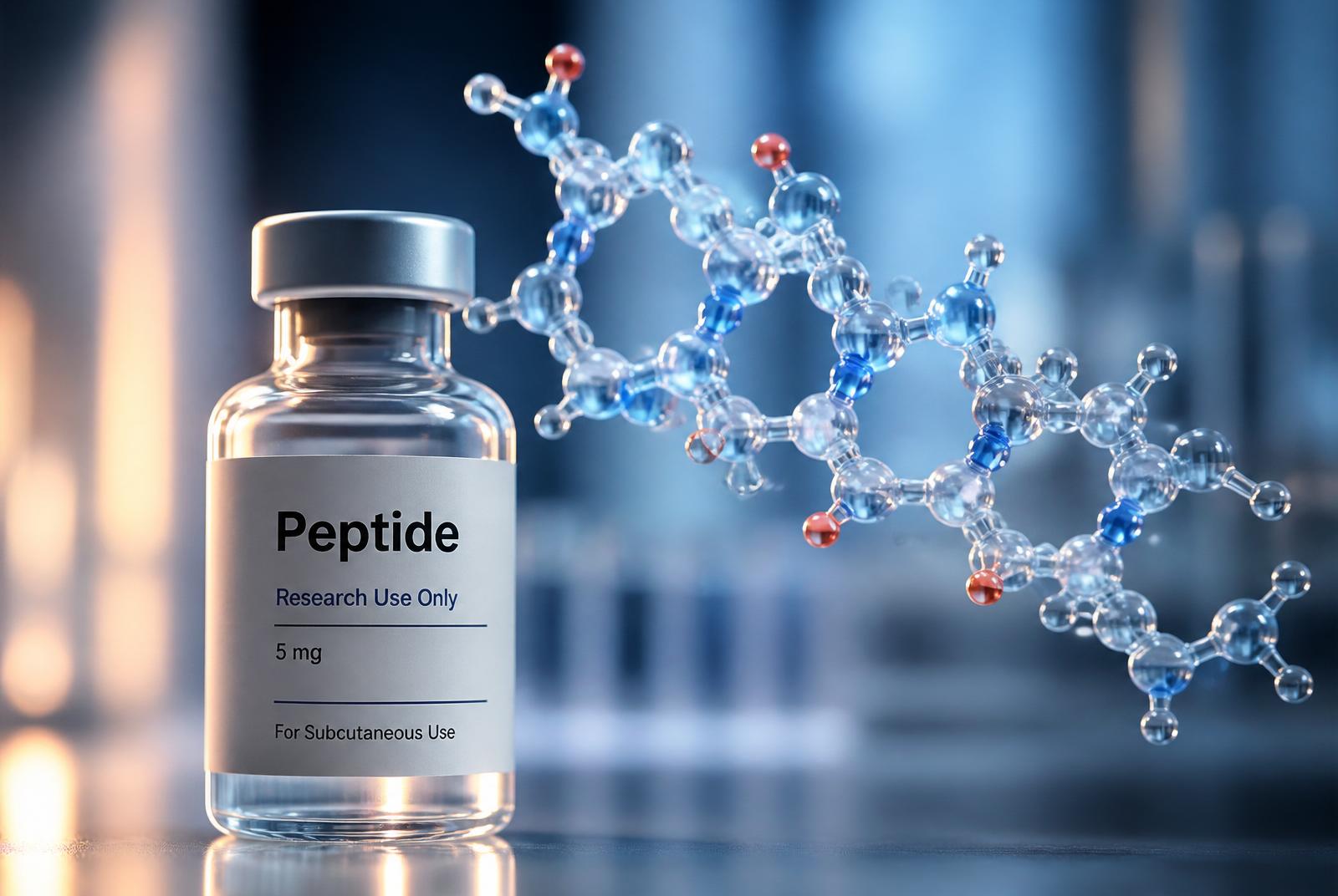
Peptides are one of the most interesting — and most misused — tools in modern longevity medicine. Used well, they support recovery, sleep, body composition, immune function, and tissue repair. Used carelessly, they're a very expensive experiment. Here's how we think about peptide therapy at Althera.
What peptides actually are
Peptides are short chains of amino acids — smaller than proteins, larger than single amino acids. Your body already uses thousands of them as signaling molecules. Therapeutic peptides borrow that language to nudge specific systems: growth hormone release, immune modulation, gut healing, tissue repair, cognition.
Peptides with the most clinical utility
- Sermorelin / Ipamorelin / CJC-1295. Growth-hormone secretagogues used for sleep, recovery, and body composition in adults with age-related decline.
- BPC-157 & TB-500. Tissue repair and gut healing. Popular in recovery from injury; still being studied.
- Thymosin alpha-1. Immune modulation for chronic immune dysregulation, post-viral recovery, and select autoimmune contexts.
- GLP-1 / dual agonists. Not classic "peptides" in the wellness sense, but the same family. Used carefully in our medical weight-loss program.
- PT-141. Libido and sexual function support.
How peptides should be prescribed
- Baseline labs. IGF-1, metabolic panel, hormone panel, inflammation markers — depending on which peptide and why.
- Clear goal. Sleep? Recovery from an injury? Body composition? The peptide follows the goal, not the other way around.
- Compounding pharmacy source. A licensed 503A/503B pharmacy. Not a research-chemical website.
- Cycled use. Most peptides work best in cycles, not forever. A clinician should be planning the exit before the entry.
- Re-measurement. IGF-1 or other markers at 8–12 weeks. Adjust or stop based on data — not vibes.
Red flags to avoid
- Clinics selling peptides without labs.
- "Peptide stacks" marketed like supplement bundles.
- Research-only compounds sold as therapies (SARMs, unapproved GH analogues).
- No exit plan or monitoring schedule.
- Pressure to add peptides before basics — sleep, protein, training, hormones — are handled.
What a peptide program at Althera looks like
Start with a discovery visit and, if peptides fit your goal, a baseline workup. We build a cycled protocol, prescribe from a reputable compounding pharmacy, teach you the injection technique, and re-measure. Peptides sit alongside hormones, IV therapy, and training — not on top of a broken foundation.
Frequently asked questions
Medical disclaimer: This article is educational and is not a substitute for individualized medical advice, diagnosis, or treatment. Talk with a licensed clinician about your own health history before starting or stopping any therapy.
The Althera Method, in your inbox.
One clinician-written guide a month on longevity, hormones, and proactive care. No spam. Unsubscribe anytime.
More from the Journal
- How Much Does IV Therapy Cost in Albuquerque? (2026 Pricing)Transparent IV therapy pricing in Albuquerque: what each drip costs, what drives the price, whether insurance or HSA/FSA covers it, and how to compare clinics.
- IV Therapy: What Works, What Doesn'tA clinician's honest guide to IV nutrient therapy — the science, the marketing hype, who benefits most, and how Althera's Drip Lab runs it as real medicine.
- Hormone Optimization 101: A Clinician's GuideWhat hormone optimization actually is, the symptoms that suggest your hormones are off, and how a proper program measures, treats, and re-tests instead of guessing.